
In the world of blockchain technology, most projects boast about being the fastest or the cheapest. But Vanar Chain takes a different path. It's like a smart company that builds tech for everyday people, not just tech experts. Instead of chasing big numbers, Vanar focuses on making things simple, reliable, and user-friendly. This article explores why Vanar treats things like fees, validator trust, and overall experience as key product choices. We'll break it down in plain language, showing how this approach could change how we think about blockchains.
Rethinking Blockchain as a Consumer Tool
Imagine judging a blockchain not by its speed records, but by how easy it is for a regular person to use. That's Vanar in a nutshell. Traditional blockchains often feel like a wild ride – one minute everything's smooth, the next you're hit with surprises. Vanar flips this by designing its system like a well-run app or game. The goal? Cut down on hassle and build trust from the start.
For anyone who's tried introducing a friend to Web3 apps, you know the real problems aren't always about how quick transactions are. It's the little annoyances: confusing steps, unexpected costs, or rules that seem to shift. Vanar seems built to fix that. They prioritize smooth onboarding and consistent use, making the tech fade into the background. This "adoption-first" mindset means thinking like a product team at a big company, where user happiness drives everything.
The Smart Fee System: Stability Over Chaos
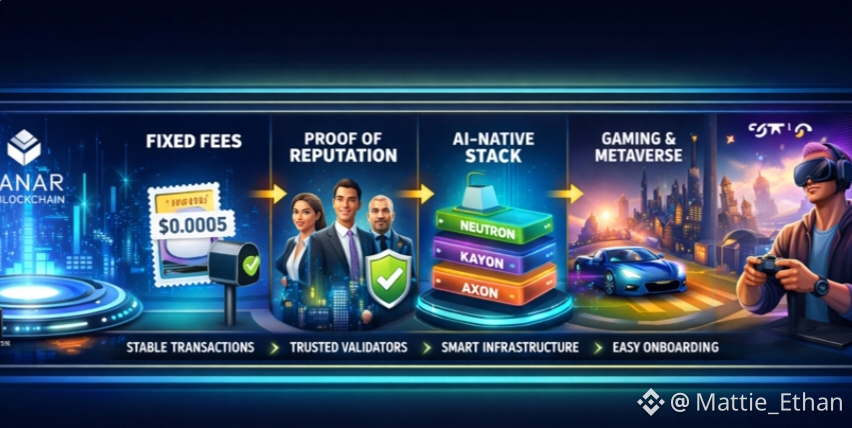
One of Vanar's standout features is how it handles fees. In many blockchains, fees can swing wildly, like weather – calm today, stormy tomorrow. This makes planning hard, especially for apps like games where users expect things to be straightforward. Vanar changes this by aiming for fees that feel fixed, like picking from a menu at a cafe. Common actions cost a small, steady amount in dollars, not jumping around based on network busyness.
Picture sending a package. You don't want to figure out gas prices or traffic every time; you just buy a stamp and go. Vanar wants blockchain use to feel that easy. No constant calculations or surprises – just reliable costs. This might seem minor, but for developers building consumer apps, it's huge. Predictable fees let them create experiences without excuses or workarounds.
Of course, keeping fees stable in dollars means adjusting behind the scenes as the token's value changes. Vanar has systems to do this automatically. They pull price info from several trusted places and use filters to avoid tricks or errors. It's not flashy tech, but it's practical engineering that keeps things steady over time. In a space full of hype about high speeds, this focus on boring reliability stands out as smart for real-world use.
Building Trust with Proof of Reputation
Vanar's validator setup shows who they're really designing for: big brands, entertainment firms, and everyday platforms. Instead of letting anyone join anonymously, they use something called "Proof of Reputation." This means validators – the people or groups running the network – need to be known and accountable. It's not fully open like some blockchains, but that might be the point.
Think about it: Companies care about more than just security hacks. They fret over bad publicity or partnering with shady operators. Vanar makes the network decentralized but with built-in responsibility. Validators have skin in the game; if they mess up, their reputation suffers. It's like hiring security for a big event – you want pros who stake their name on doing it right, not random volunteers.
This approach might rub pure crypto fans the wrong way, who want total anonymity. But for attracting mainstream partners, it makes sense. Brands need stability and trust to commit. By blending decentralization with accountability, Vanar creates a middle ground that's appealing for real businesses. It's distributed power, but with checks to keep things professional.
Going Beyond Basics: The AI-Powered Layers
Vanar isn't stopping at being a basic blockchain. Lately, they've pushed an "AI-native" story, building extra layers to make development easier. This includes tools like Neutron for storing smart memories and Kayon for handling context and reasoning. More features are coming for automation and ready-to-use products.
Is this just trendy talk? Maybe a bit, since AI is hot everywhere. But look closer: If Vanar targets games, fun apps, and brands, developers need help with things like user profiles, custom content, and data smarts. Instead of forcing builders to cobble together outside tools, Vanar bakes these in. It turns the chain into a full toolkit, not just a bare foundation.
Skeptics might say every project adds AI flair now. Fair point. But practically, for consumer-focused apps, managing identities, personal touches, and info without chaos is key. If Vanar delivers on this, it sets itself apart from plain old compatible chains. Developers get a head start, making apps that feel polished and smart right away.
Checking the Adoption Claims with Real Data
Talk is cheap – does Vanar have proof of people actually using it? Their network explorer shows big numbers: tons of total transactions, many wallet addresses, and solid usage rates. These aren't guarantees of true success; some chains pump up stats artificially, and big totals don't show if users return.
But it's a starting point. If Vanar is really pulling in everyday folks through games or simple apps, you'd see patterns like frequent small actions at steady costs. That's unlike speculative chains with big bursts and then quiet. Digging into these metrics can reveal if the adoption push is genuine. For now, the data suggests activity that's broad and ongoing, fitting their consumer angle.
The Role of the VANRY Token
VANRY isn't just for paying gas. It powers the whole system: covering fees, staking for security, earning rewards as a validator, and more. Plus, there are wrapped versions on other networks, like an ERC-20 token, for easy trading and bridging.
This matters because no project thrives alone. If folks can't grab VANRY where they already hang out, growth stalls. These cross-chain options are like handy plumbing – not exciting, but essential for liquidity and access.
One watch-out: Token supply details can vary. Native rules might cap it one way, while wrapped contracts show another. It's not a red flag, but for a project eyeing big partners, clear, consistent info is crucial. Messy docs could raise doubts, even if everything's fine underneath.
Why Gaming is Vanar's True Test
Gaming highlights Vanar's strengths best. Gamers aren't into blockchain philosophy; they want fun without headaches. Annoying logins, slow moves, or sneaky fees kill the vibe. Vanar pushes simple sign-ons, like using social accounts, and hides the tech complexity.
This isn't "pure" crypto, but it's spot-on for consumers. If the aim is mass adoption, making blockchain invisible is smart. Games test this harshly – succeed here, and you've got a system ready for wider use. Vanar's focus on smooth, hidden tech could onboard the next million users who don't even know they're on a chain.

The Bigger Bet: Making Blockchain Ordinary
At its core, Vanar wagers that Web3's future goes to whoever makes the tech feel normal. Not the one with the boldest specs, but the one where blockchain is just a quiet helper in the app. It's a tough goal, needing constant tweaks for user needs over pure ideals.
Yet it matches how people really act. Most folks want tools that work without drama. By treating fees as a stable product, reputation as a trust builder, and UX as king, Vanar positions itself for that world. It's not about revolutionizing everything; it's about fitting seamlessly into daily life.
Expanding on User Experience Design
Diving deeper, Vanar's UX focus deserves more spotlight. In consumer products, small details like button placement or loading times make or break success. Vanar applies this to blockchain, ensuring interactions feel intuitive. For example, their tools help devs create apps where users don't need wallets upfront – sign in with email or social, and the chain handles the rest.
This reduces drop-offs, a huge issue in Web3. Studies show many new users quit at the first hurdle, like setting up a wallet. Vanar's approach lowers that bar, inviting more tries and sticks.
Fees in Depth: How Stability Drives Creativity
Stable fees unlock creativity. Developers can plan features without fee worries spiking costs. In games, this means micro-transactions that feel fair, not risky. For brands, it enables loyalty programs on-chain without budget surprises.
Vanar's adjustment mechanism is clever: It monitors token prices via oracles – secure data feeds – and tweaks gas costs accordingly. Filters catch odd spikes, keeping things fair. This engineering quietly supports the user promise.
Reputation System: Balancing Openness and Safety
Proof of Reputation isn't about centralizing; it's about quality control. Validators apply, show credentials, and maintain standards. Community governance can vote on changes, keeping it decentralized.
For entertainment firms, this means safer NFT drops or virtual events. No fear of rogue nodes causing issues. It's a hybrid model: Open enough for diversity, strict enough for pros.
AI Layers: Practical Tools for Builders
Neutron stores data semantically, understanding meanings over raw facts. Kayon adds logic, helping apps reason through scenarios. Future automation could handle routine tasks, like reward distributions.
For brands, this means personalized campaigns on-chain. Games get smarter NPCs or adaptive levels. It's AI as a built-in helper, not an add-on hassle.
Metrics Breakdown: What the Numbers Say
Vanar's explorer lists millions of transactions and active wallets. Utilization hovers high, suggesting real use. Patterns show steady, small interactions – signs of engaged users, not bots.
Compare to hype-driven chains: Spikes from airdrops fade fast. Vanar's consistent flow hints at sticky apps, like daily games.
Token Economics: Utility and Accessibility
VANRY's multi-role keeps it central. Staking secures the net, earning yields. Fees fund operations. Wrapped tokens bridge to Ethereum, easing entry.
Supply is capped natively, but wrapped versions follow host rules. Clear communication here builds investor trust.
Gaming as Gateway
In gaming, Vanar shines. Smooth onboarding means play first, learn later. Low, predictable fees avoid pay-to-win feels. AI layers enable dynamic worlds.
Success here could spill to other areas, like social apps or e-commerce.
Challenges Ahead
No project is perfect. Maintaining fee stability needs constant vigilance. Reputation systems risk favoritism if not governed well. AI must avoid biases.
But Vanar's focus on fixes over flash positions it well.
Conclusion: A Fresh Take on Blockchain
Vanar redefines L1s by prioritizing adoption. By making fees reliable, validators trustworthy, and UX seamless, it builds for the masses. With AI smarts and gaming push, it's creative yet practical. As Web3 matures, this user-first bet could pay off big, making blockchain just another tool in our digital kit.
