
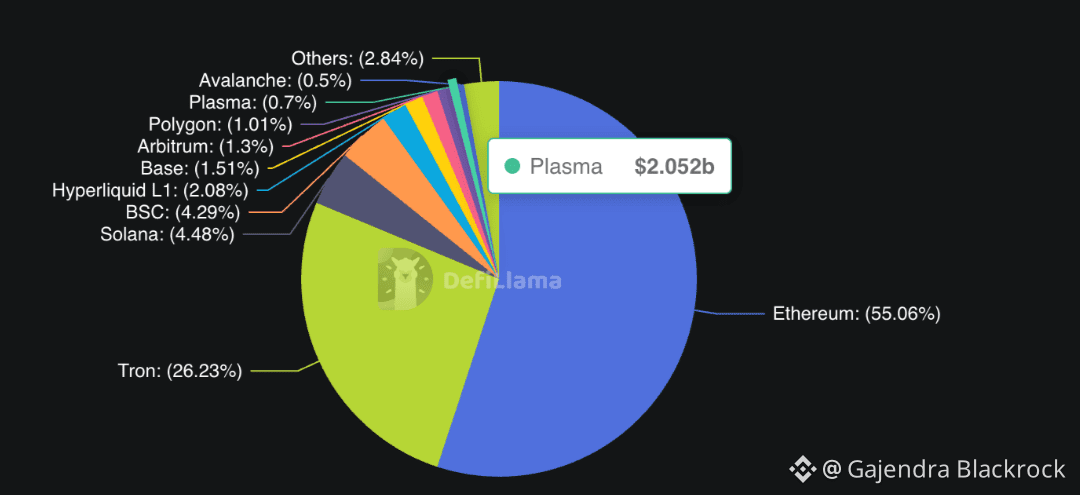
@Plasma Stablecoins are already everywhere. USDT, USDC, and a growing list of regional or synthetic dollars move billions daily across Ethereum, Tron, Solana, BSC, and multiple rollups. Payments clear, arbitrage happens, remittances move faster than banks, and DeFi does not collapse without Plasma. That uncomfortable reality is exactly why Plasma matters. Not because stablecoins cannot function without it, but because the way they function today quietly breaks under scale, regulation, and economic stress.
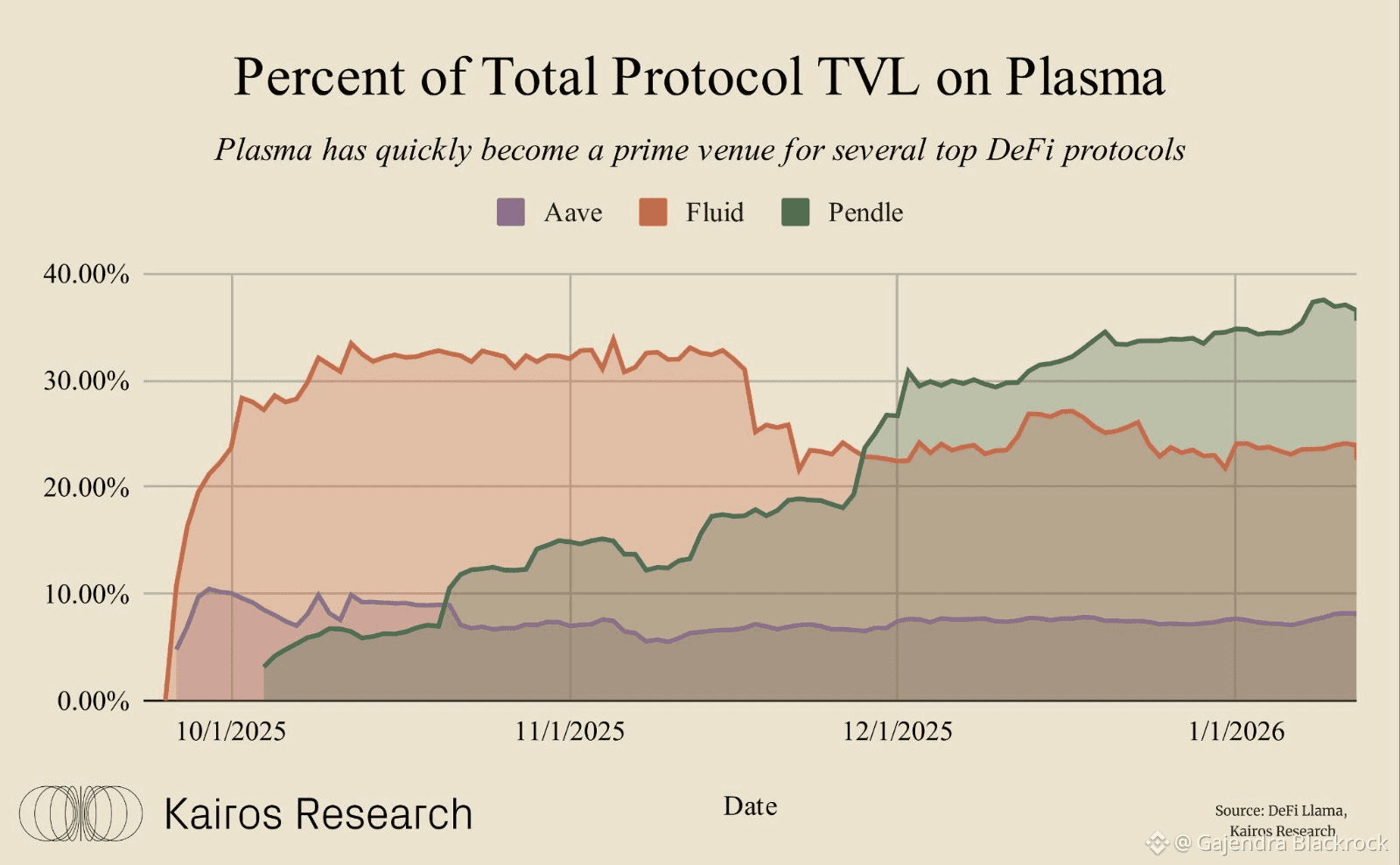
To understand what breaks without Plasma, you have to stop looking at blockchains as throughput contests and start looking at them as financial plumbing. Most L1s were never designed for stablecoins as the dominant asset class. They were built for general computation, speculation, and composability first. Stablecoins were layered on later as a use case, not as a core design assumption. That mismatch shows up everywhere once stablecoins stop being a side feature and start becoming the system.
Ethereum is the cleanest example. USDC and USDT work fine on Ethereum until they don’t. When network demand spikes, fees rise, and suddenly a “stable” dollar costs five or ten dollars to move. For traders this is annoying. For payment processors or treasury desks, it is operationally unacceptable. Rollups partially fix this, but at the cost of fragmentation. Liquidity spreads across L2s, bridges become risk points, and final settlement still depends on a congested base layer. Stablecoins still work, but the system leaks efficiency at every edge.
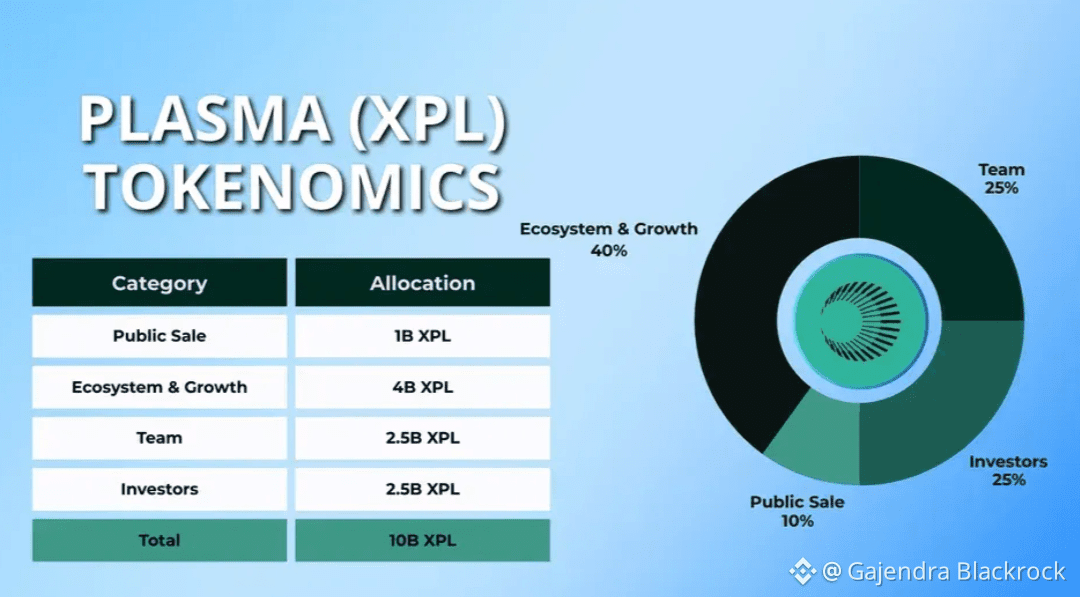
Tron looks better on the surface. Low fees, fast transfers, and massive USDT volume. But Tron’s success exposes a different fragility: centralization risk and opaque governance. When most of the world’s stablecoin transfers depend on a small validator set and informal coordination, the system works only as long as nothing goes wrong politically or economically. This is not a theoretical issue. Large exchanges, issuers, and regulators already treat Tron transfers differently from Ethereum precisely because of these structural risks.
Solana tells another story. High throughput, low fees, and strong UX make stablecoin payments feel effortless. But Solana achieves this by pushing hardware requirements and reducing redundancy. When the network halts, even briefly, stablecoins do not move. For speculation, that is tolerable. For payroll, settlement, or institutional cash management, it is not. Stability is not just price stability; it is operational predictability under stress.
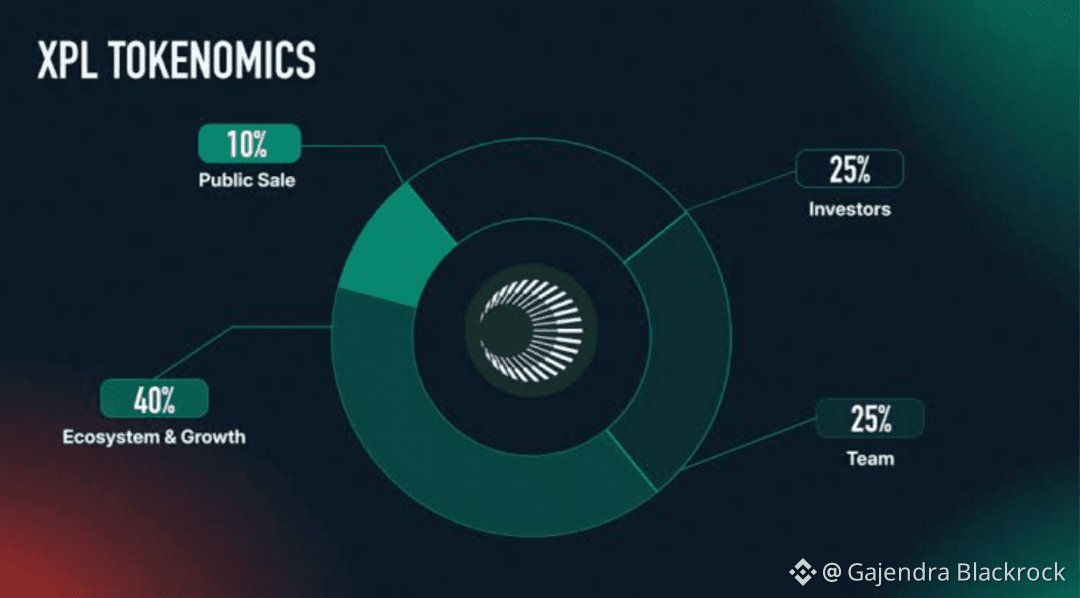
What Plasma does differently is boring by design, and that is the point. Plasma treats stablecoins not as just another ERC-20 equivalent, but as the primary unit the system is built around. The chain’s architecture prioritizes predictable settlement, fee isolation, and issuer-aligned security over maximal composability. In other words, Plasma assumes that the most important thing users want is for one digital dollar to reliably behave like one dollar at scale, not to interact with every DeFi primitive ever invented.
Without Plasma, stablecoins inherit the economic noise of the chains they live on. NFT mints spike fees. Meme coin mania crowds blockspace. Governance votes compete with payments. Plasma isolates stablecoin execution from unrelated demand. This is not about speed; it is about removing externalities. When a merchant sends a thousand payments, they should not be competing with a speculative frenzy happening elsewhere on the network.
A real-world parallel helps here. Traditional financial markets do not settle retail payments, derivatives clearing, and interbank transfers on the same rails. Each system exists because mixing them creates systemic risk. Crypto ignored this lesson for years because early volumes were small. Now stablecoins move more value daily than most national payment networks. Treating them as just another application is increasingly reckless.
Consider a hypothetical but realistic case: a regional fintech in Southeast Asia uses USDC for cross-border payroll. On Ethereum, fees eat margins during volatile periods. On Solana, occasional outages force manual reconciliation. On Tron, counterparties worry about long-term regulatory perception. None of these break the system instantly, but they introduce operational friction that compounds. Plasma’s value proposition is not that it magically makes payments cheaper, but that it makes them boringly reliable under regulatory and market pressure.
Another thing that breaks without Plasma is issuer control without total centralization. Stablecoin issuers already freeze addresses, manage supply, and comply with regulations. On general-purpose chains, these actions clash with permissionless design and DeFi composability, creating governance tension. Plasma acknowledges issuer realities upfront and designs around them, rather than pretending stablecoins are censorship-resistant commodities. This honesty makes the system less ideologically pure, but more usable for institutions.
Critics argue that Plasma is unnecessary because rollups can already specialize. This is partially true, but rollups inherit base-layer constraints and fragmentation. They also rely heavily on bridges, which remain one of crypto’s most exploited attack surfaces. Plasma minimizes bridging by anchoring stablecoin settlement in a purpose-built environment, reducing cross-domain complexity rather than multiplying it.
There is also the question of economic sustainability. On many L1s, stablecoins subsidize networks they do not control. They generate transaction fees that fund validators securing unrelated applications. Plasma flips this relationship. The chain’s economics are aligned with stablecoin usage itself. This matters long term, because stablecoin volume is predictable and recurring, unlike speculative cycles.
None of this means Plasma is guaranteed to win. Its biggest risk is adoption inertia. Stablecoins already work “well enough,” and ecosystems resist migration unless pain becomes unbearable. Plasma also sacrifices composability, which limits DeFi experimentation. That trade-off is real and may cap its appeal among crypto-native users.
But the question is not whether stablecoins can exist without Plasma. They clearly can. The question is what breaks as they become core financial infrastructure. What breaks is cost predictability. What breaks is operational reliability under stress. What breaks is clean alignment between issuers, users, and settlement guarantees.
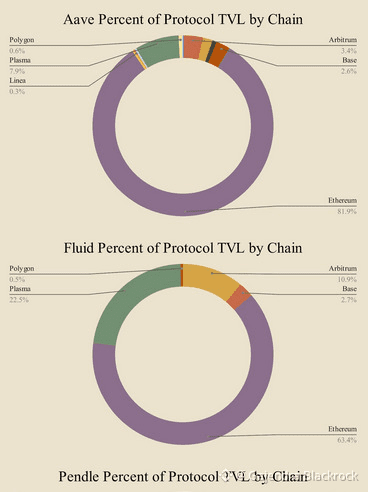
Plasma is not trying to replace Ethereum or Solana. It is trying to do one thing exceptionally well while others do many things adequately. In financial systems, specialization is not a weakness; it is often the difference between something that works in demos and something that survives scale.
If stablecoins are just speculative chips, Plasma is unnecessary. If they are becoming the base money layer for digital finance, then relying on chains that treat them as a side feature is the real risk. Plasma exists because something subtle but critical is already breaking, even if most users have not felt it yet.


